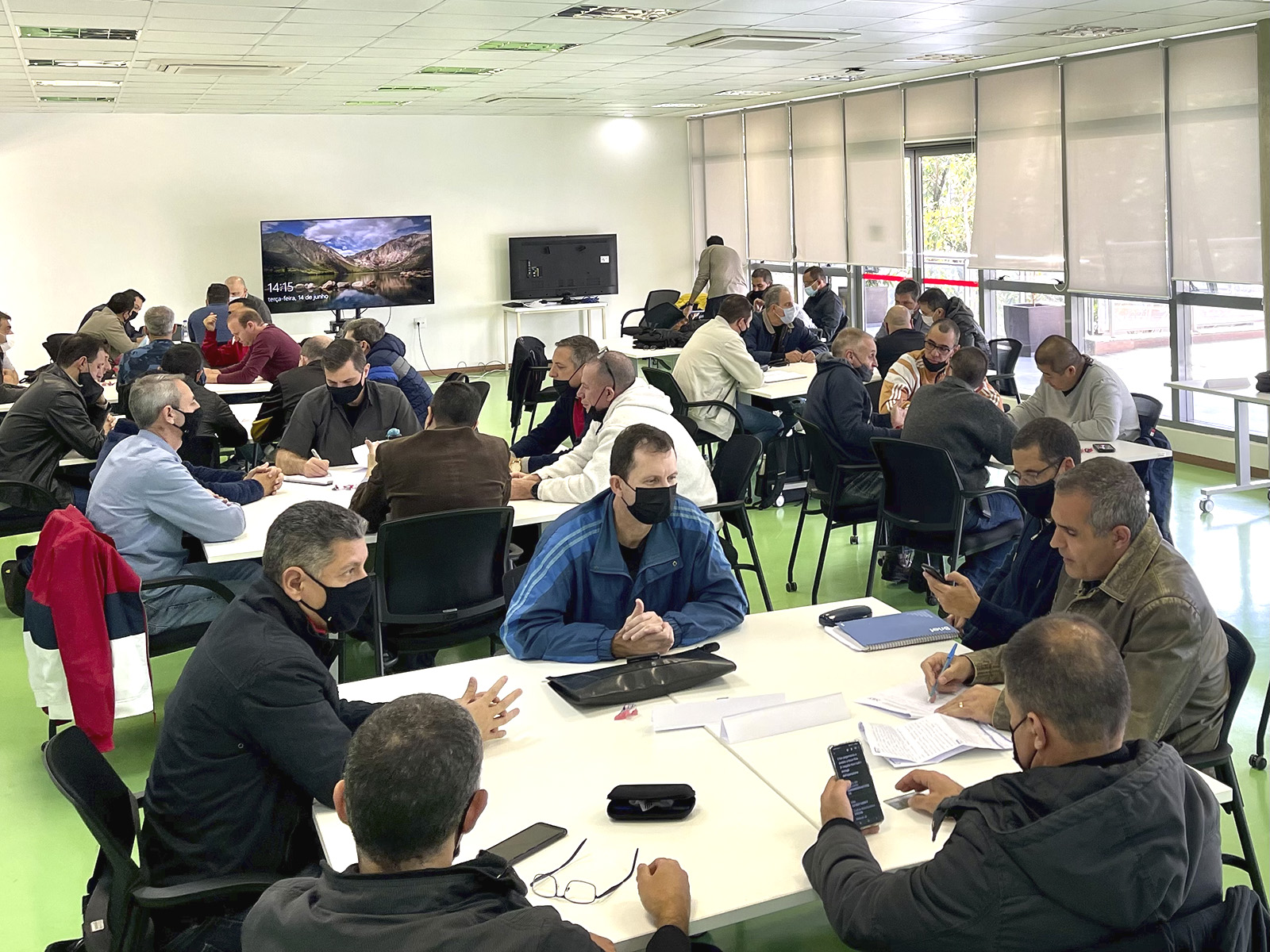
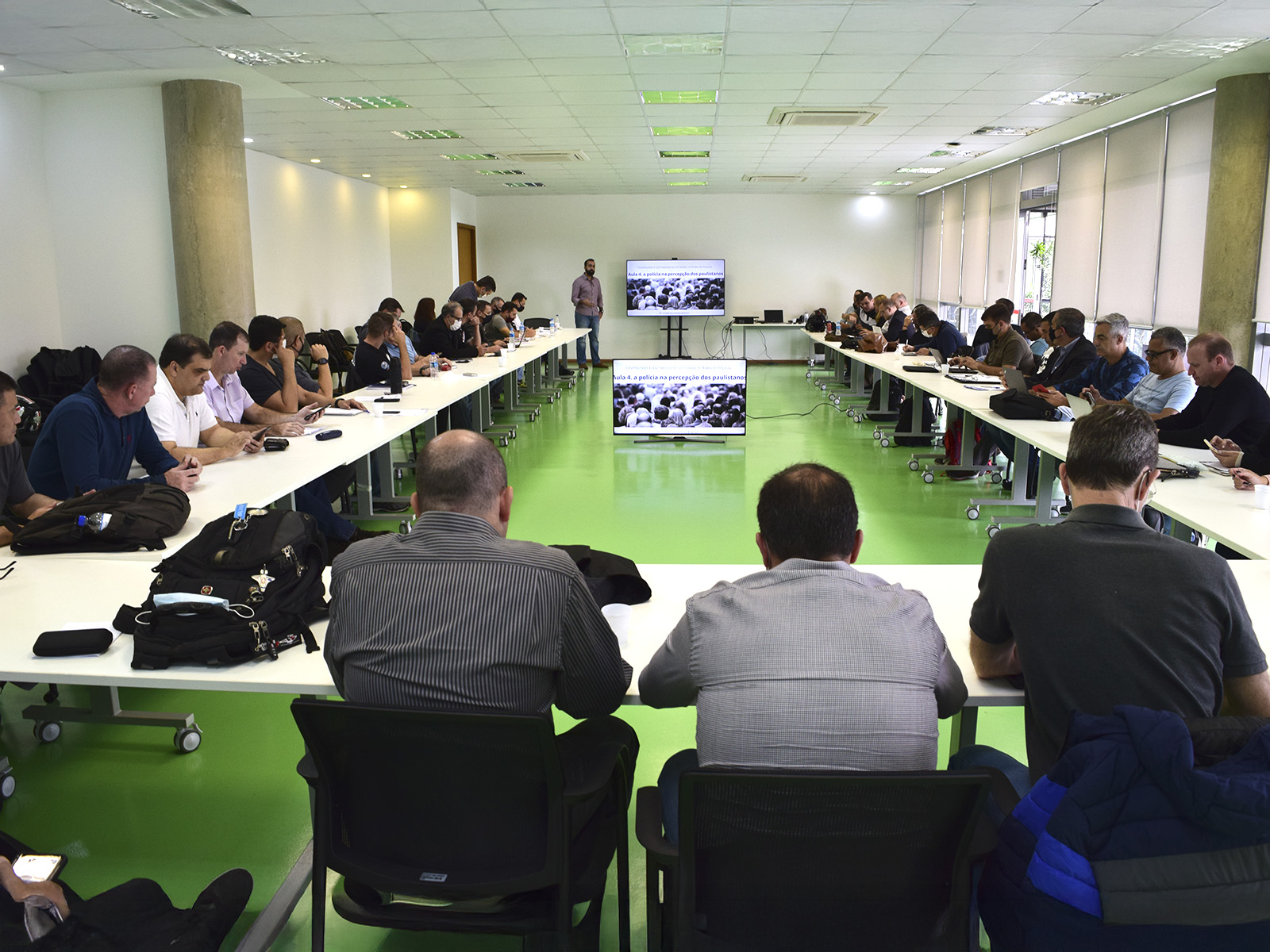
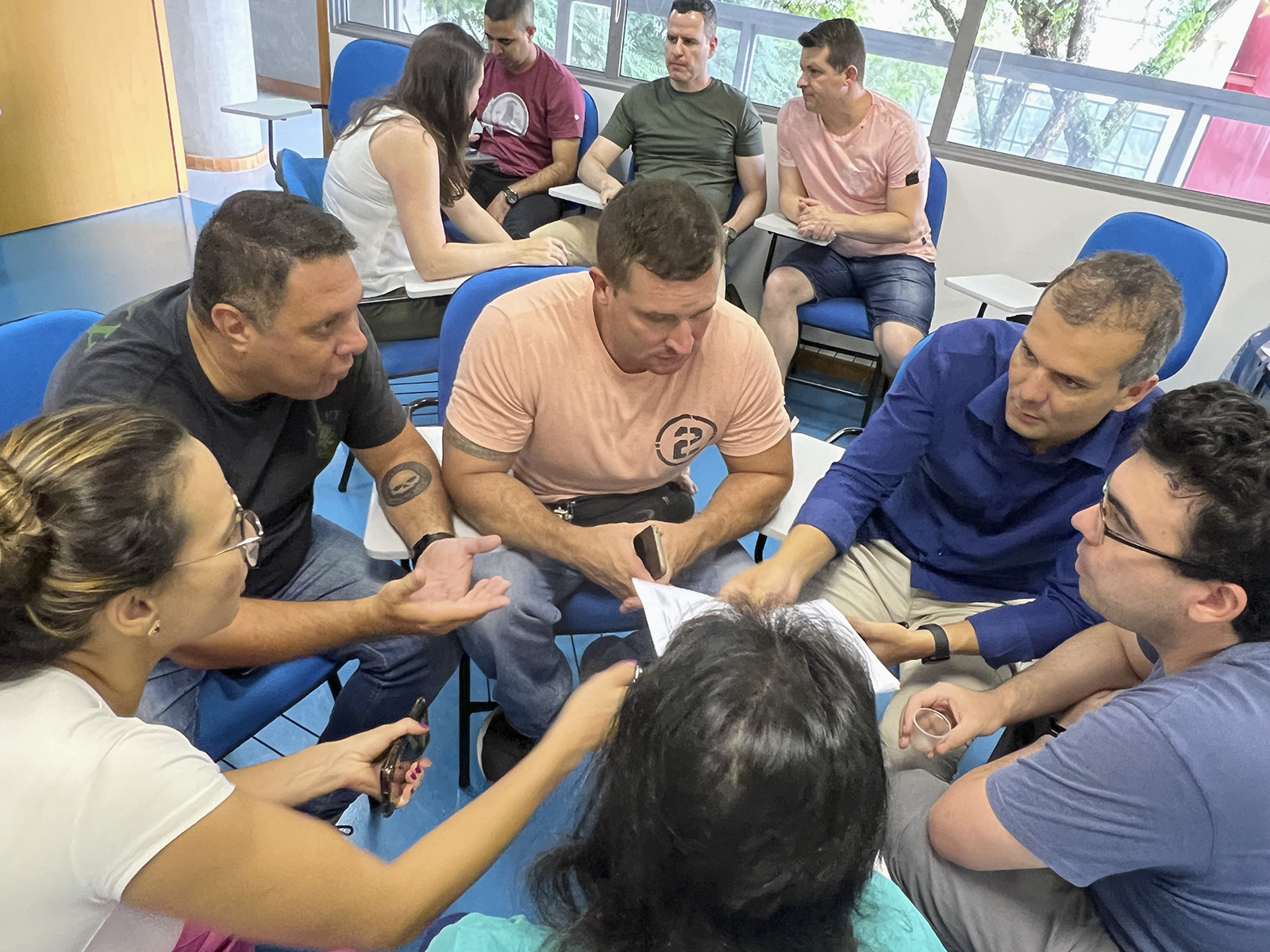
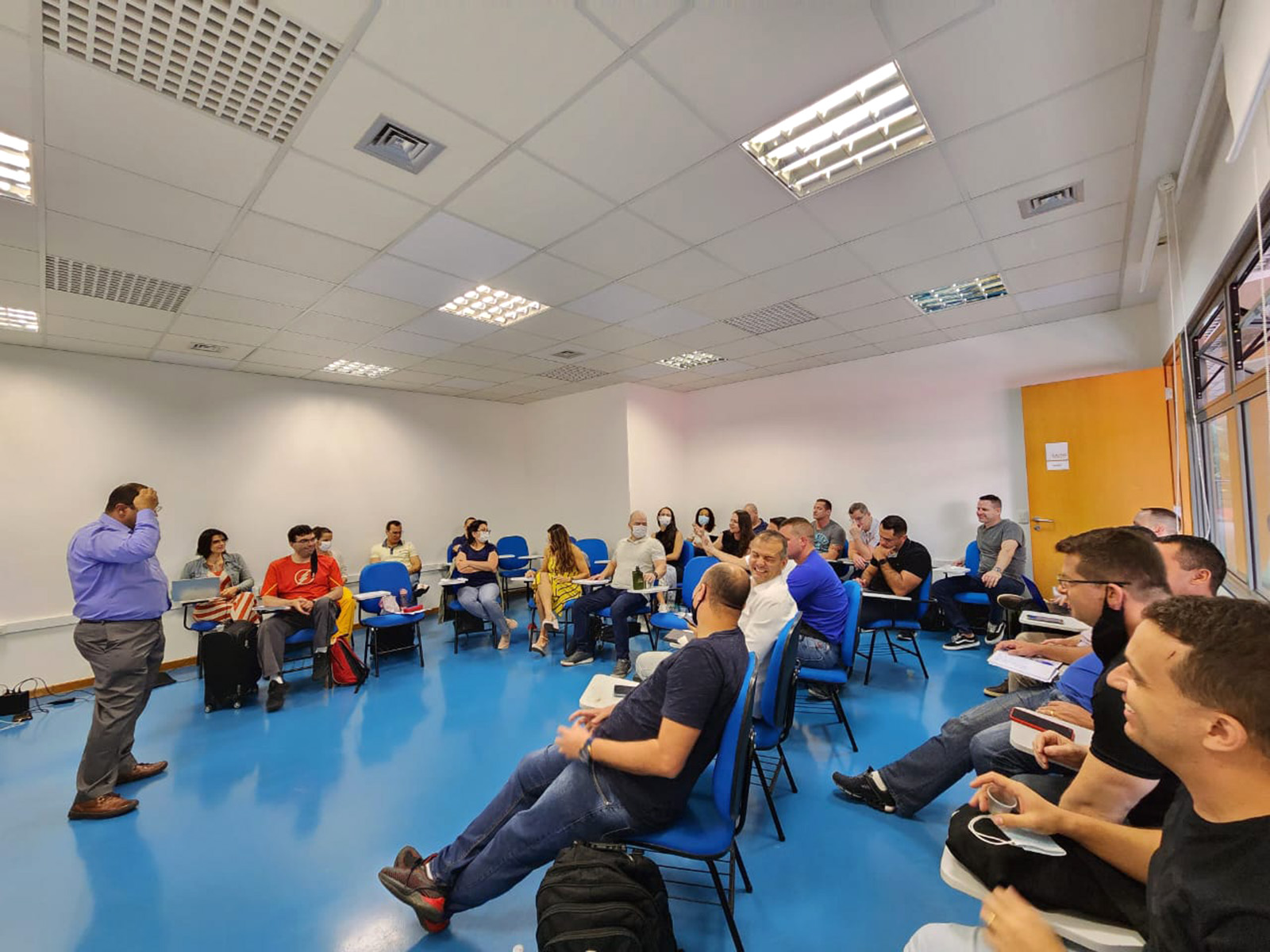
What makes people perceive the police as a legitimate authority, trust them and collaborate with them? What makes the police perceive themselves as a legitimate authority? What is the relationship between the police agency (the way it is organised, its control mechanisms, etc.) and the police officer’s actions on the streets or at the front desk?
Research carried out by NEV-USP indicates that the way in which police officers interact and relate to the population, as well as the way in which police officers relate within the police institution, are central to thinking about public security policies.
More than just showing results in terms of police efficiency in reducing crime and violence, it is essential for the proper performance of their institutional missions that the police take into account: the way police officers exercise their authority with citizens in their daily work; the quality of their relationships within their institutions, with their colleagues and managers.
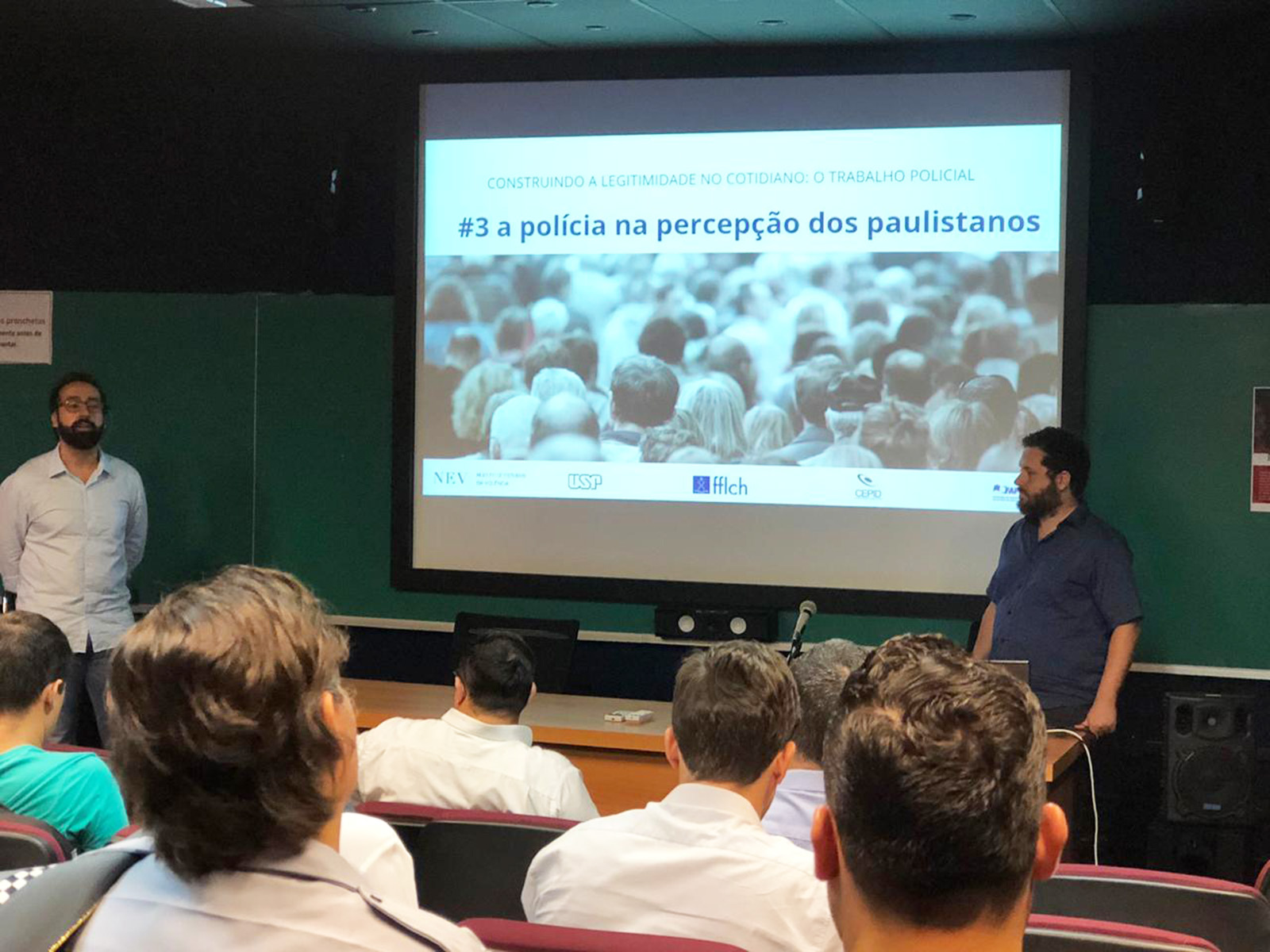
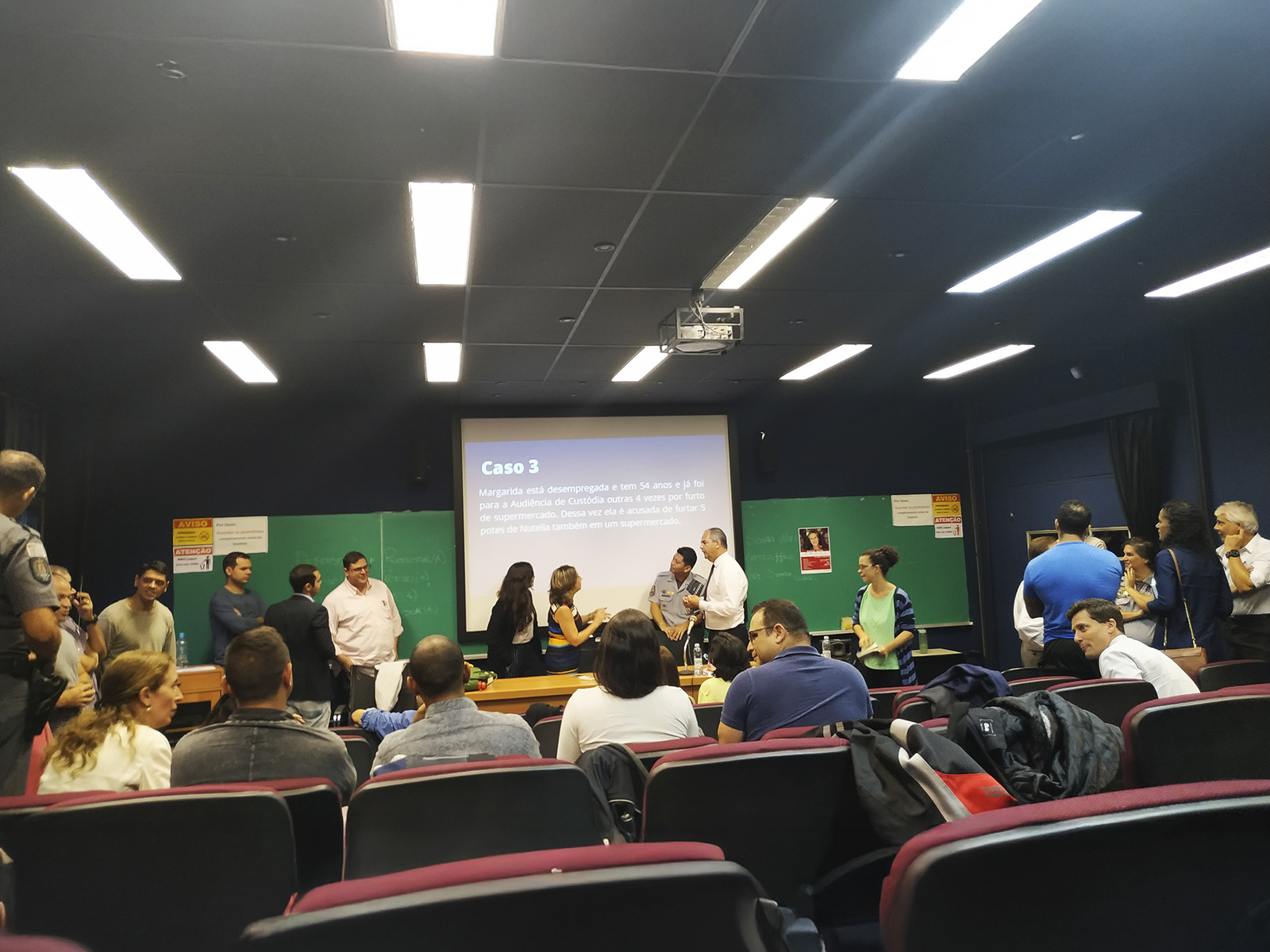
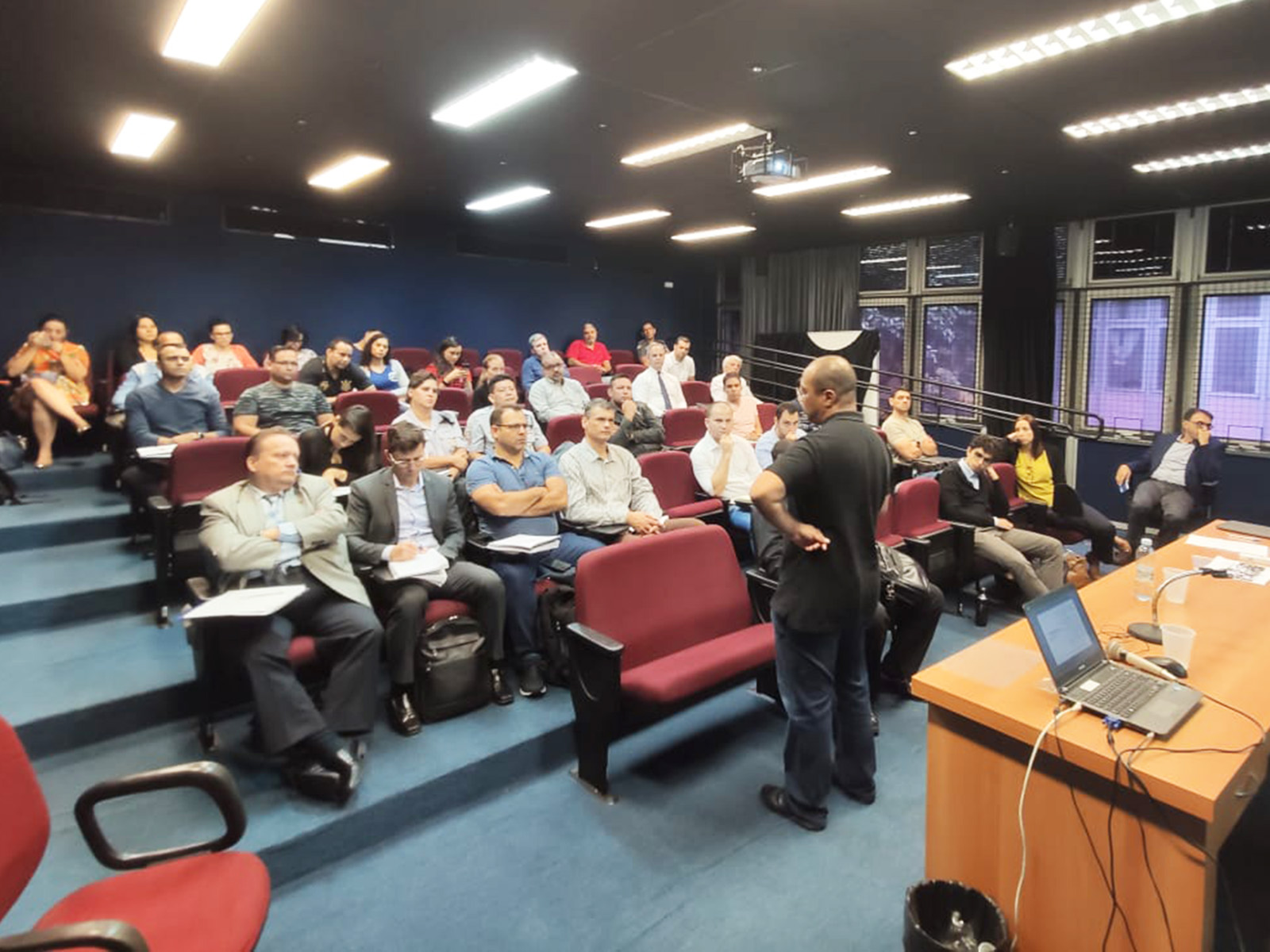
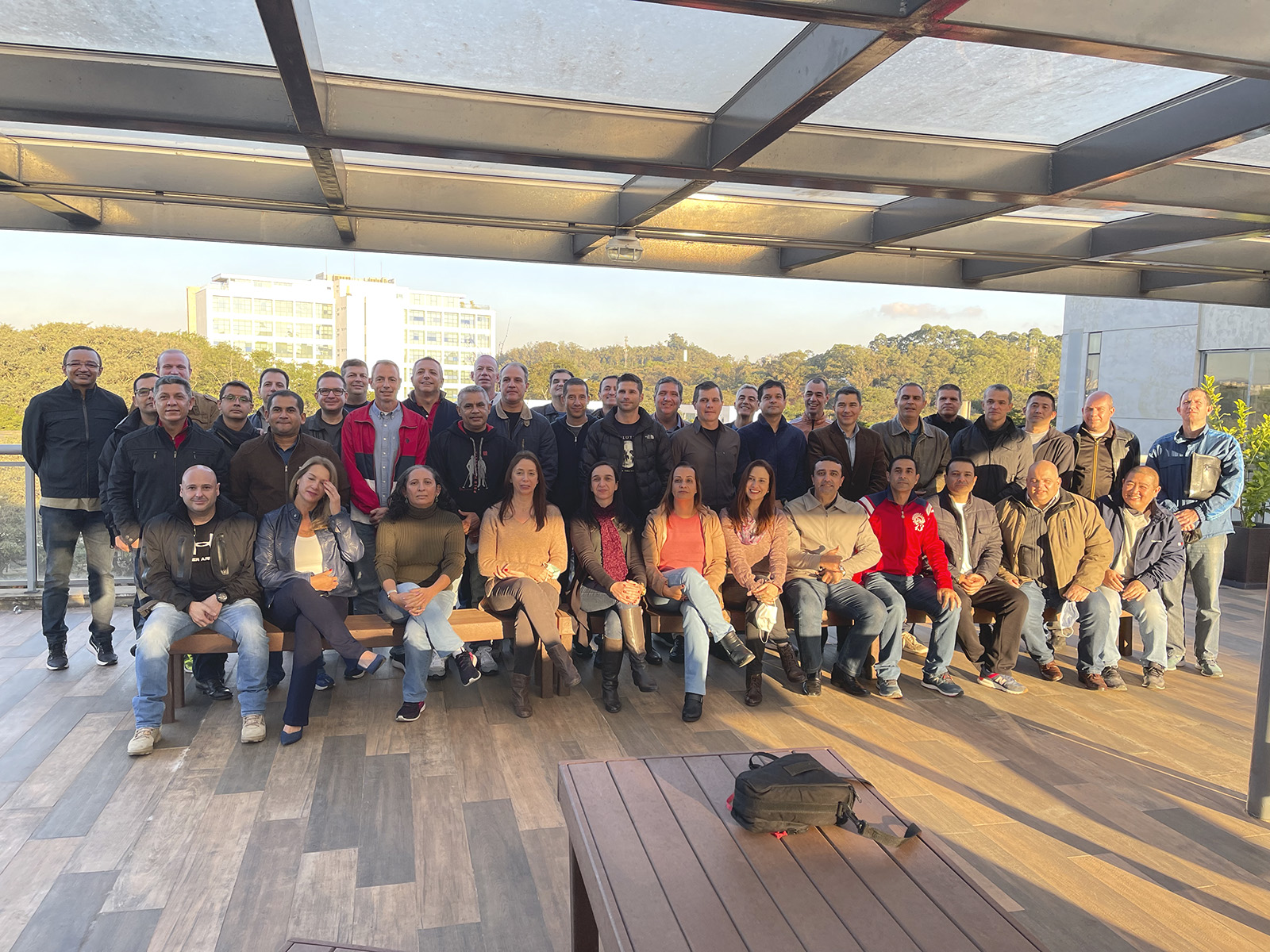
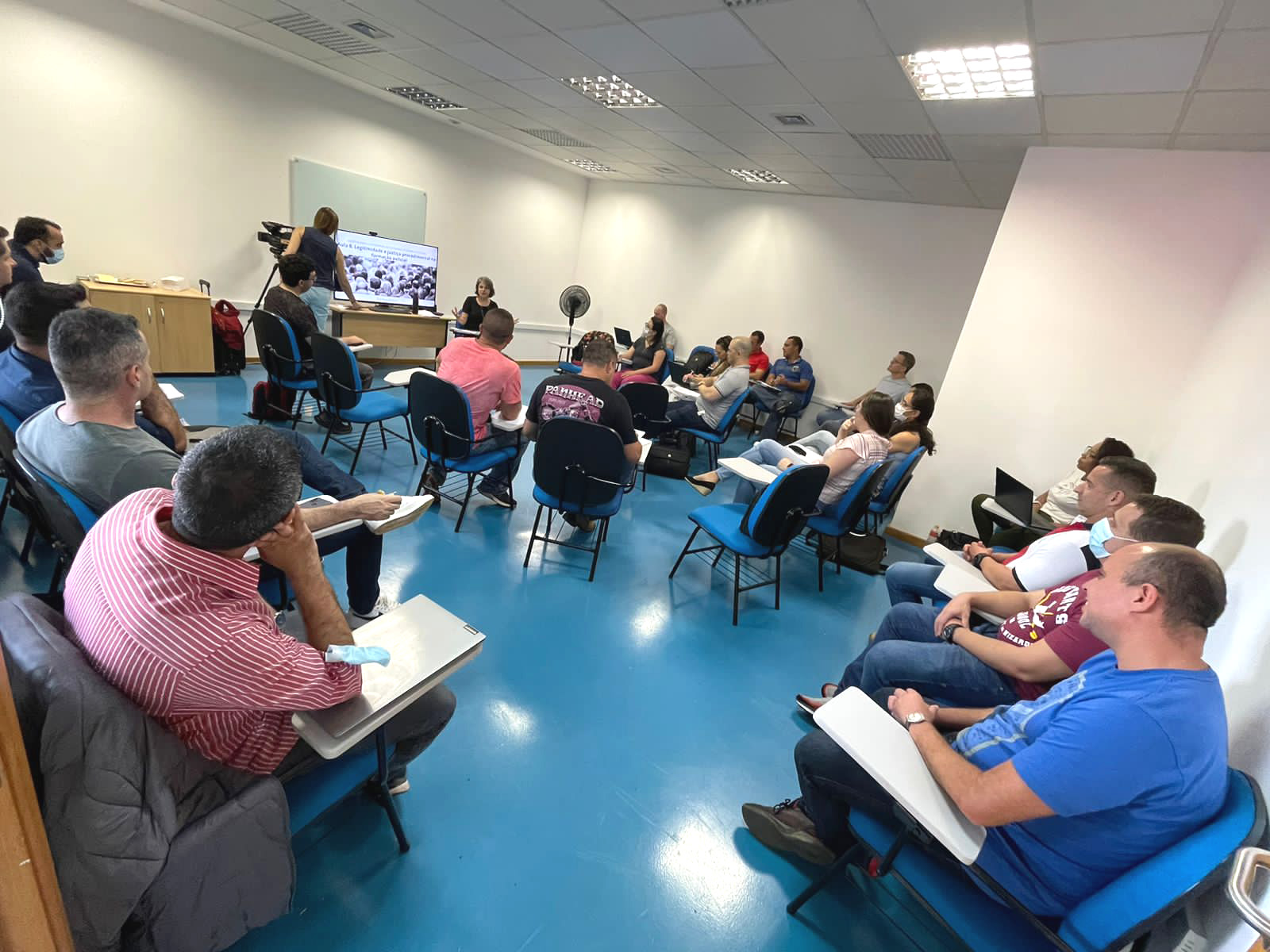
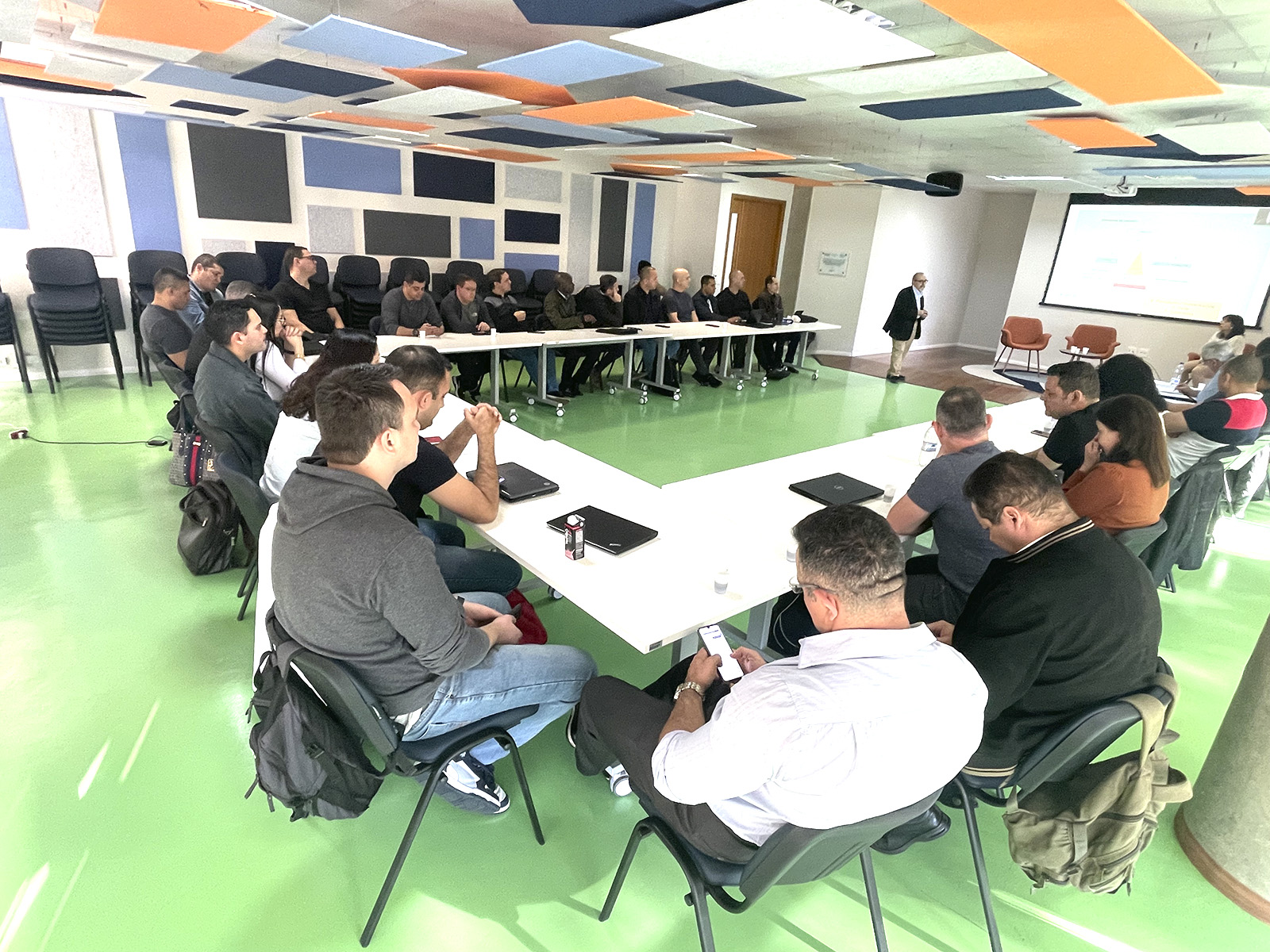
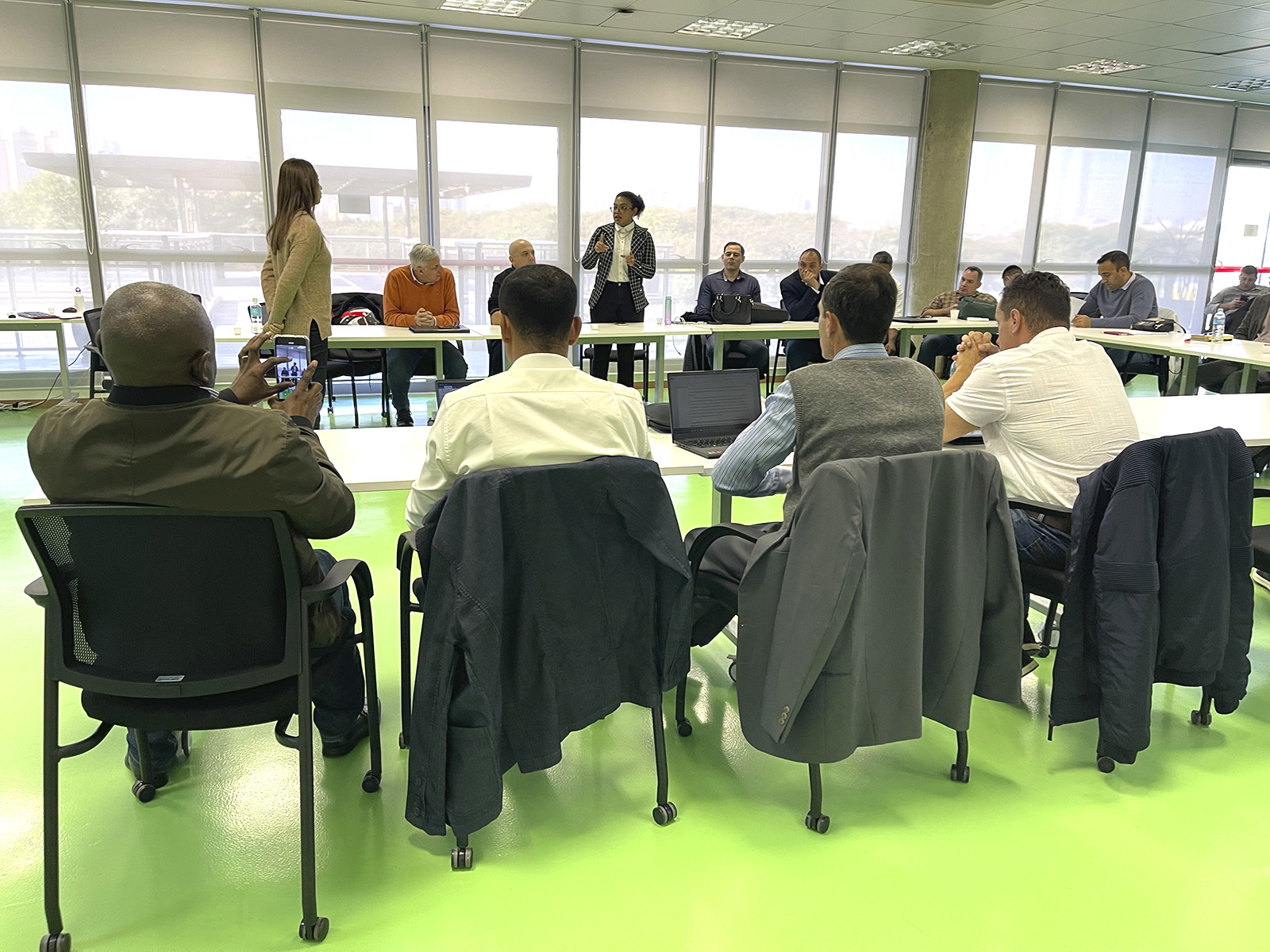
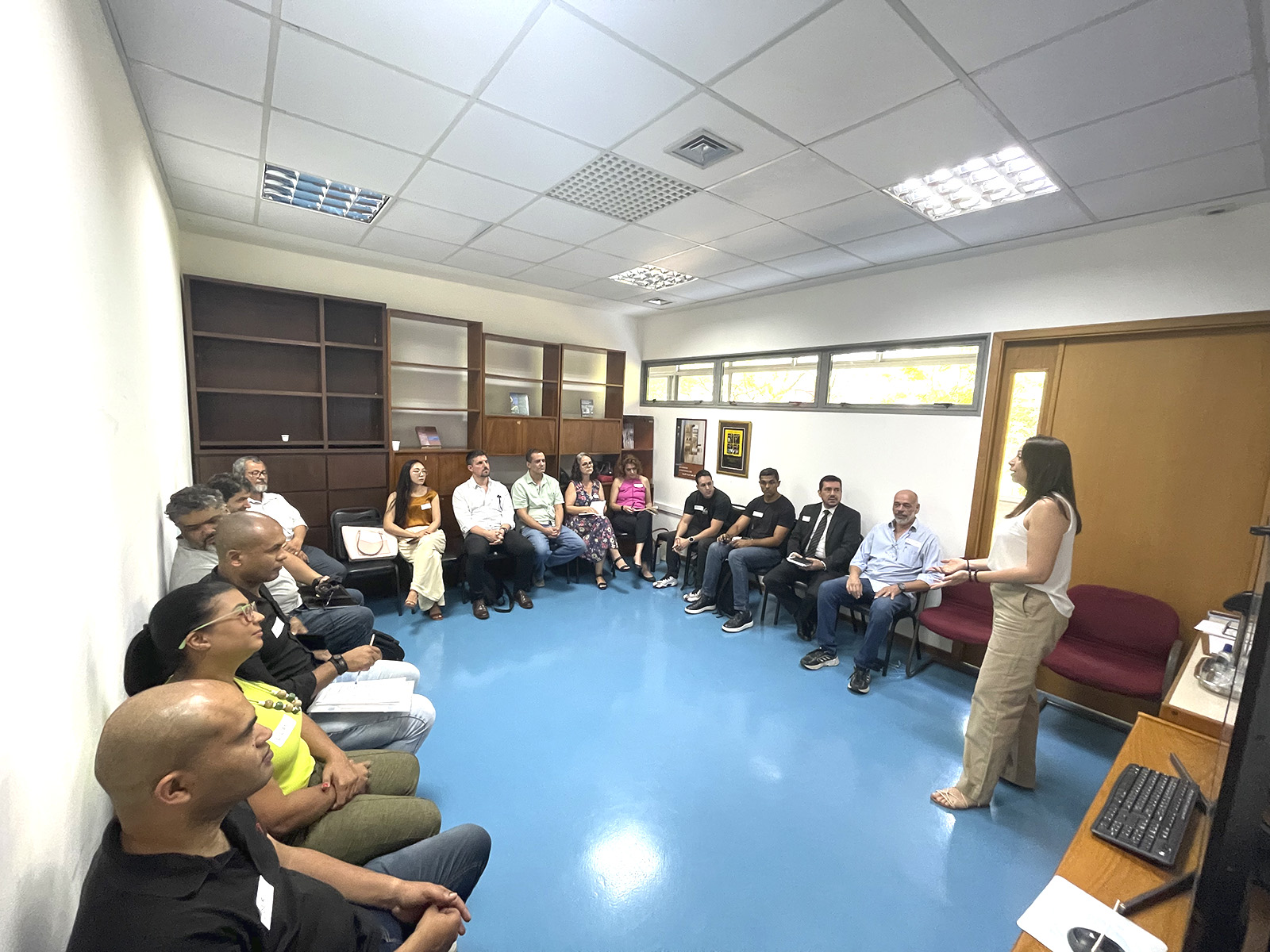
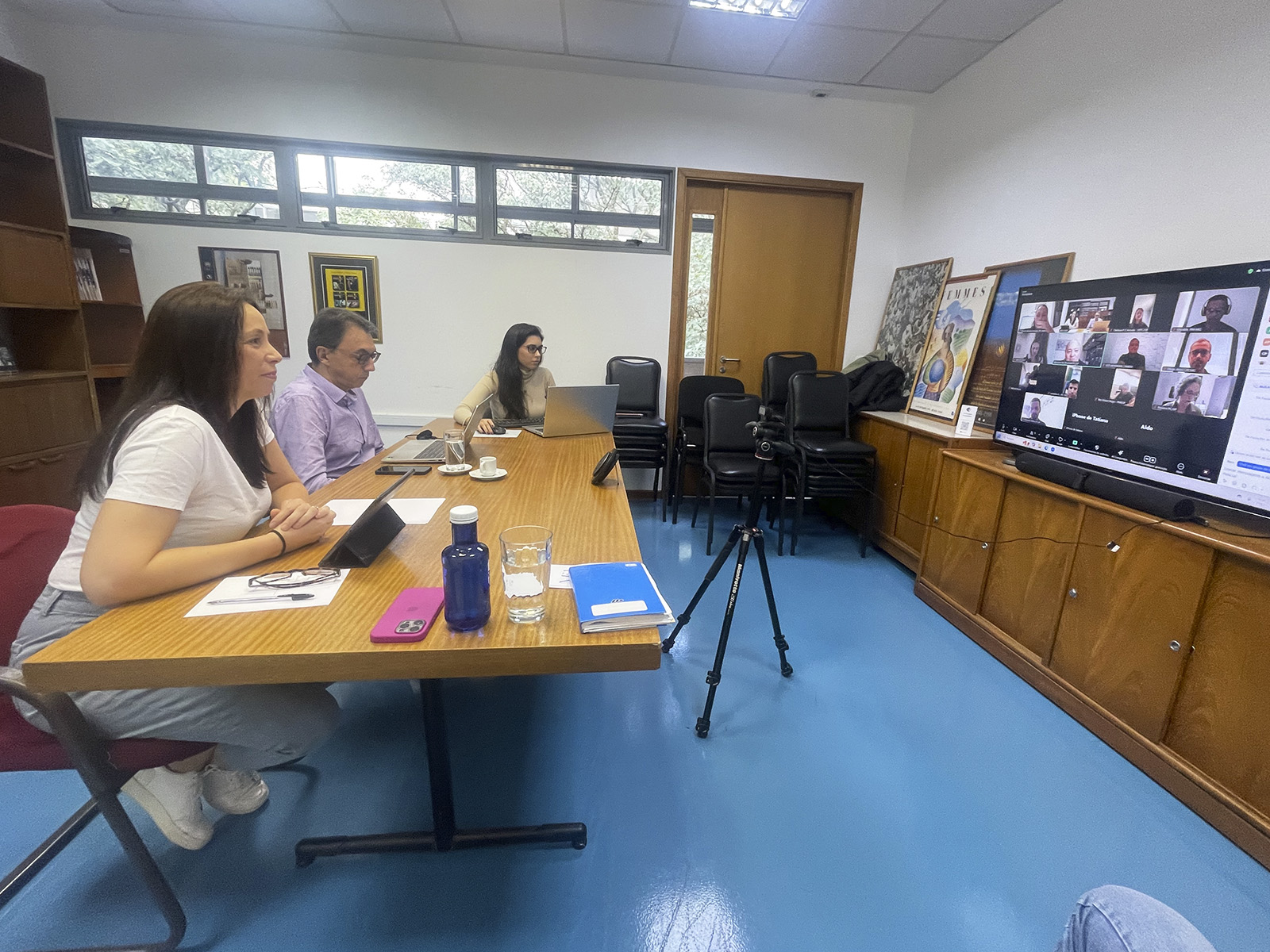
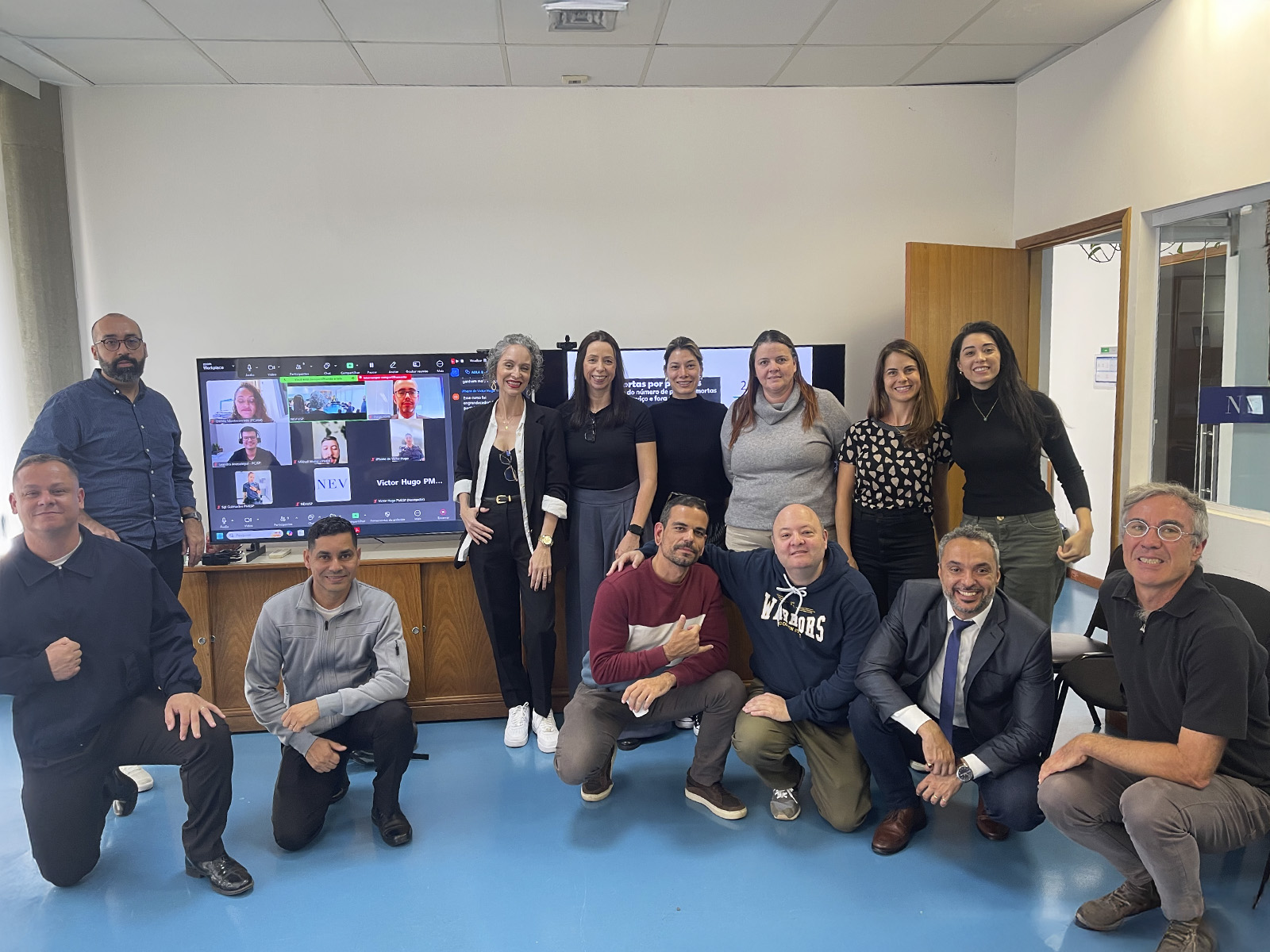
In this course, we discuss the results of the research “Building democracy daily: human rights, violence and institutional trust”, carried out since 2013 by NEV/USP under the CEPID funding programme of FAPESP.
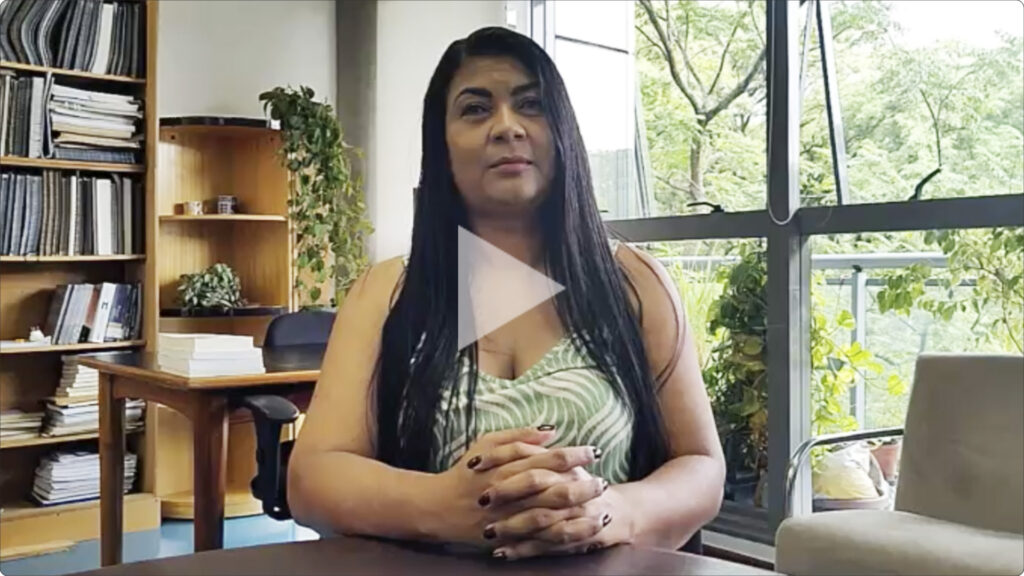
Lilian Sequim
Military Police Corporal – São Paulo, November 2024 Class
These studies here were important for me to understand that it’s not just about my side of the story. It’s not only about how I see my own legitimacy, but also about how that is being reflected out there, in the civilian world.
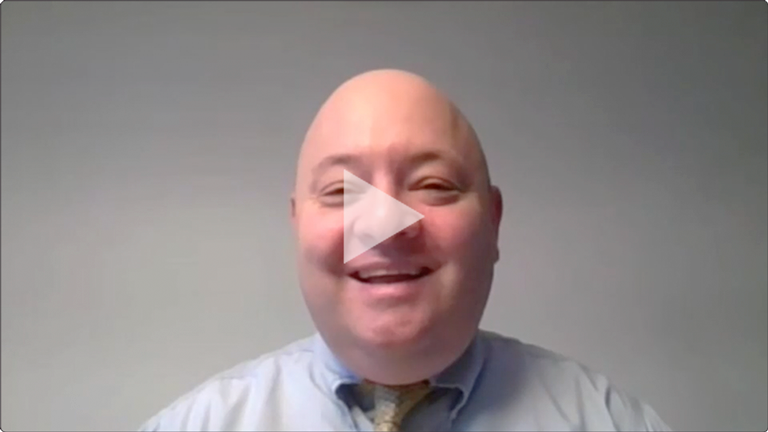
Maurício de Thomazi
Police Chief SP – May/June 2025 Class
The course is extremely important for us police officers. This is because it makes us think about our role: what we can do to have a positive impact and contribute, in fact, to the implementation of public policies, social pacification, social justice, and to ensure that our activity has legitimacy.
NEXT COURSES
Second Semester of 2025
COURSES COMPLETED
January/February de 2020 Summer School of the São Paulo Universtiy for civil and militar officers of the state of São Paulo
June, 2022 PhD in Policing, Order and Public Security Sciences Professional (CSP) of Military Police of the state of São Paulo
November, 2022 Professional Masters in Policing, Order and Public Security Sciences (CAO) of Military Police of the state of São Paulo
June, 2023 Integrated class to PhD (CSP) and Master (CAO) students in Policing, Order and Public Security Sciences of Military Police of the state of São Paulo
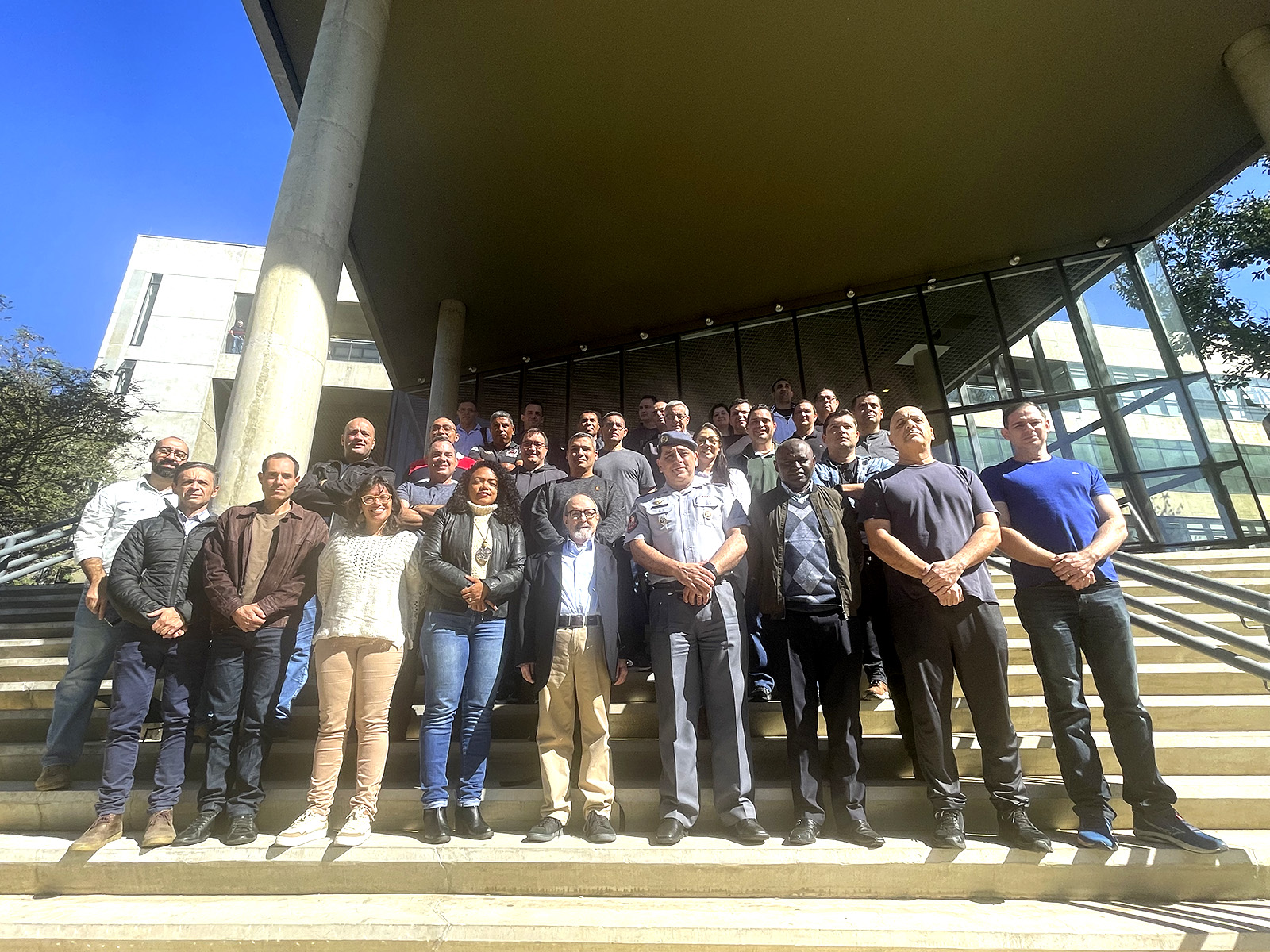
November, 2024 Diffusion Course of the São Paulo University for civil and militar officers of the state of São Paulo
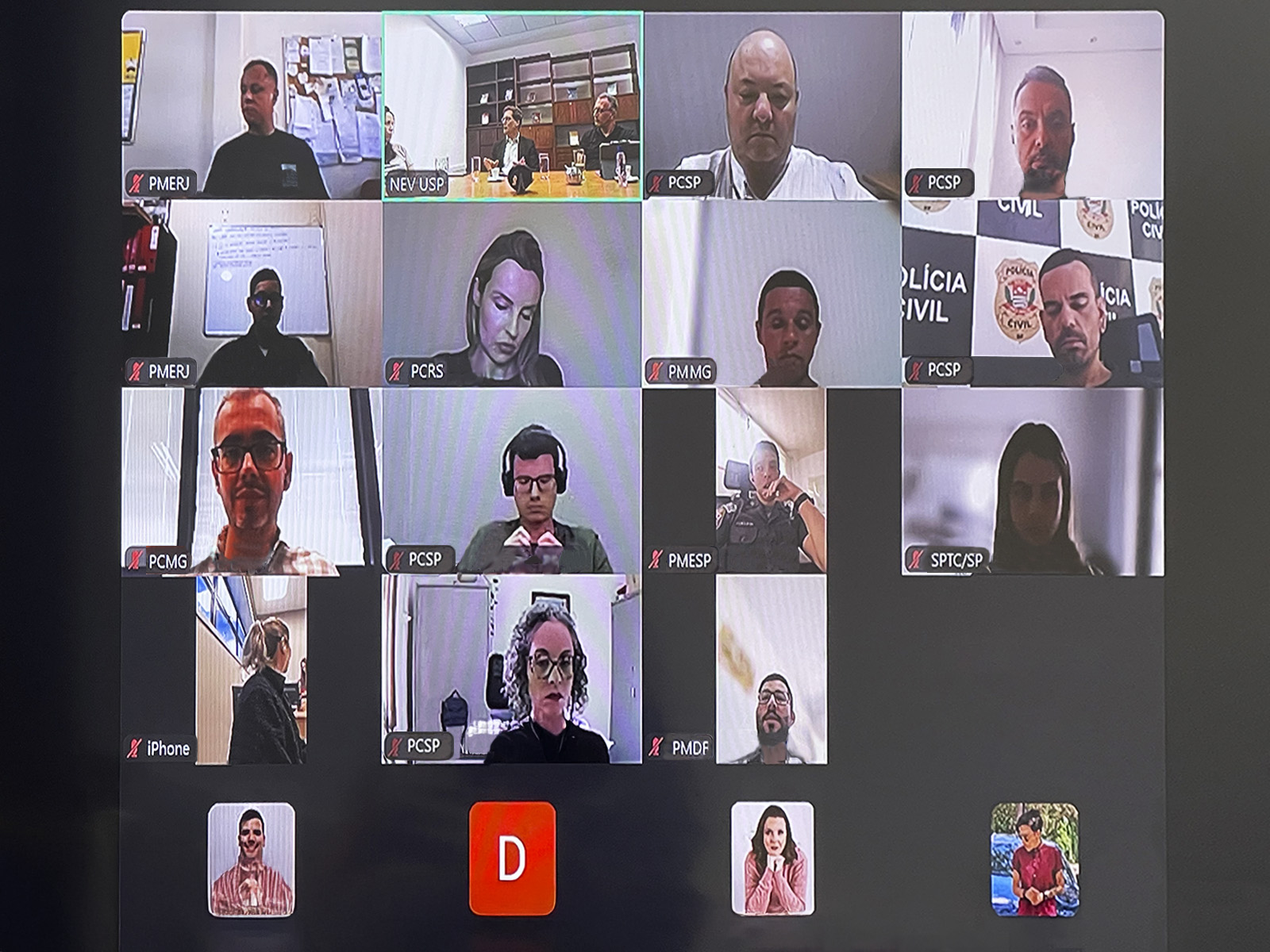
May/June 2025 Diffusion Course of the São Paulo University, for civil and militar officers across the brazilian sates
TEACHING STAFF
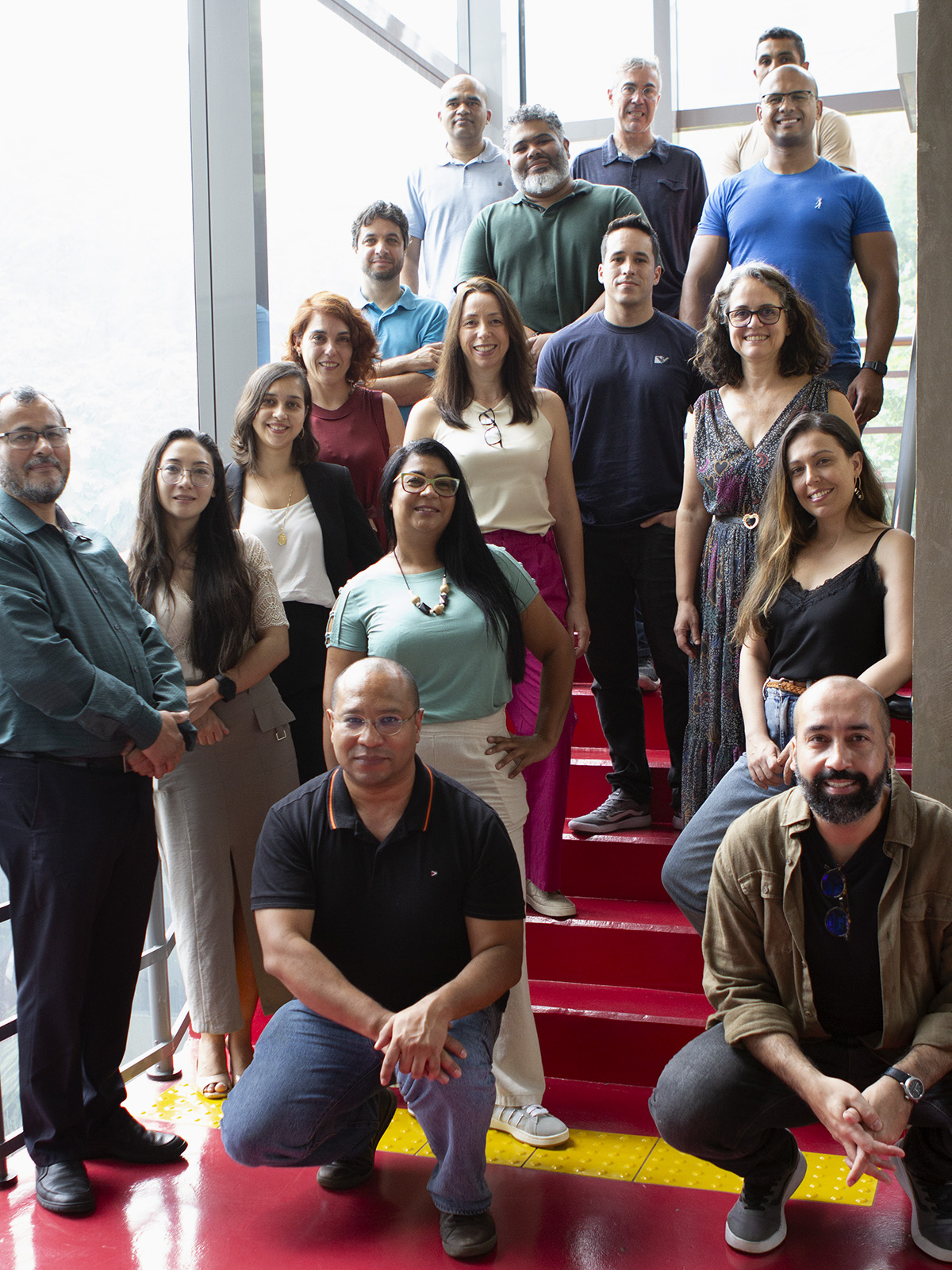
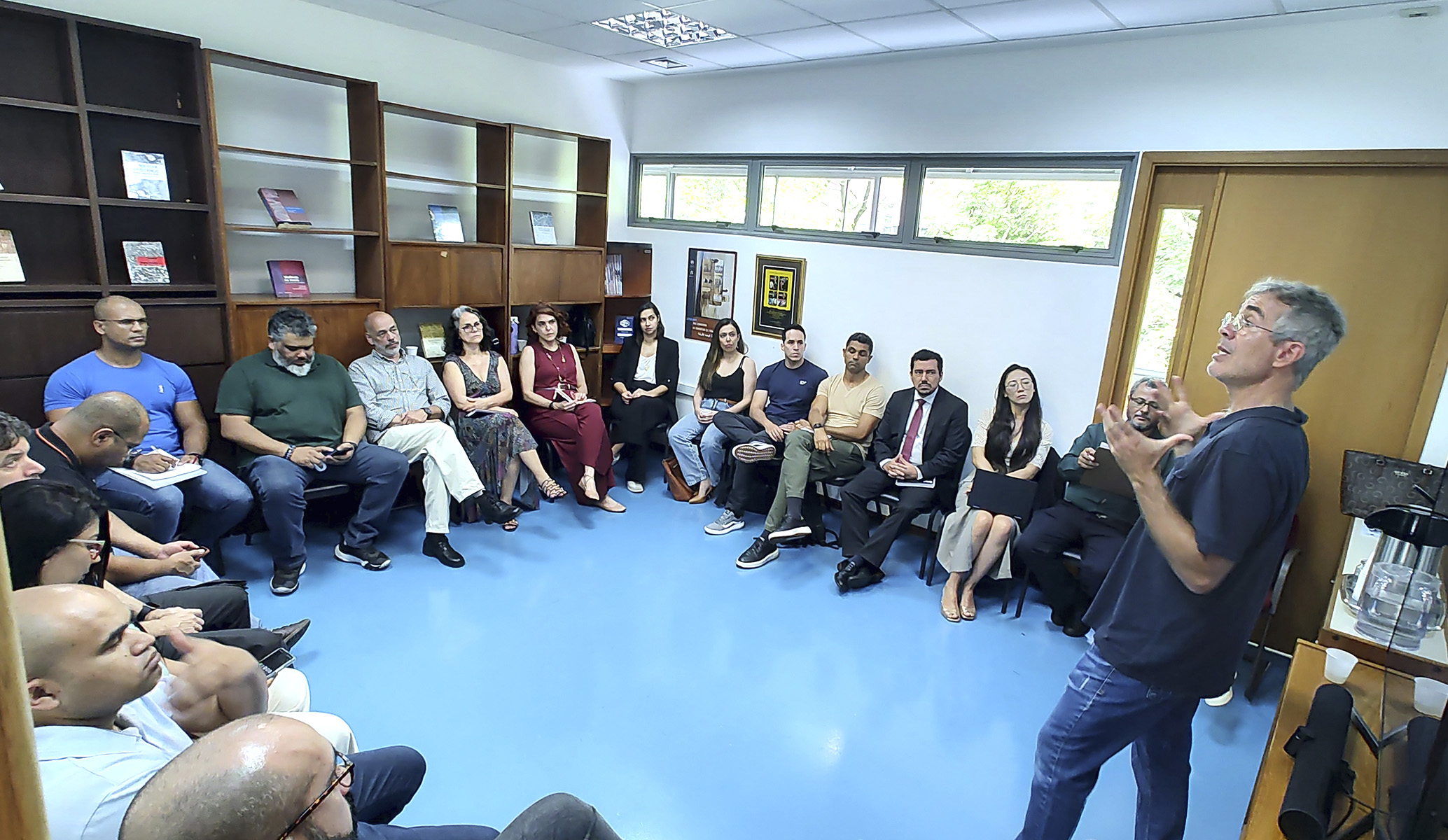
The classes are taught by USP professors and NEV researchers involved in the research project “Building democracy daily: human rights, violence and institutional trust (CEPID-FAPESP)”, which underpins the course content. Distinguished guest researchers also contribute to the course, with different themes.